
Everyday Fitness & Mobility
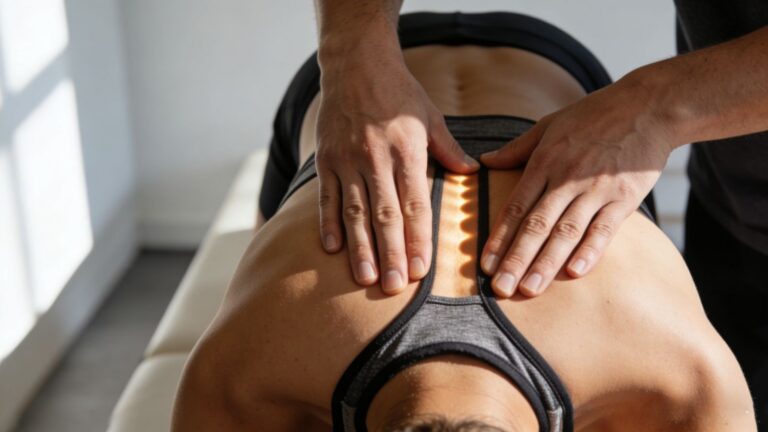
The Importance of Posture on Spinal Mechanics
Posture is the unsung foundation of how we hold ourselves up against gravity, move through our day, and interact with the world. It’s far more than just “sitting up straight.” From a biomechanical perspective, posture refers to the dynamic alignment of your body segments—especially the intricate column of your spine. This alignment directly influences how efficiently forces are distributed, how muscles are recruited, and how you maintain balance during everything from typing at a desk to taking a walk.

Muscle Hypertrophy: How Muscles Grow
When people think about building muscle or getting stronger, they usually picture lifting weights or some kind of resistance training. And yeah, that’s what you see on the outside.

Understanding Core Strength Beyond the Aesthetics
The term “core strength” often conjures images of sculpted abdominal muscles. However, from a functional, anatomical perspective, the core represents something far more vital: the integrated central stabilizing system of your entire body. It is the foundational pillar that supports your spine, facilitates efficient movement, transfers force between your upper and lower body, and is essential for balance in everything you do.

The Biomechanics of Walking: More Than Just Steps
Walking feels so automatic that we rarely think about it. Yet, this fundamental movement is a marvel of biological engineering. What we perceive as simple, repetitive steps is actually a precise and complex feat of coordination involving your nervous system, muscles, bones, and senses. Understanding the basic biomechanics of walking offers a window into how your body maintains upright stability, propels you forward, and effortlessly adapts to the world under your feet.

Dynamic vs. Static Stretching: When to Use Which
Stretching is one of those things everyone’s heard of. You see people doing it before a run, during a break, or after a workout. But here’s the thing—not all stretching is the same.

Aerobic vs. Anaerobic Exercise: What’s the Difference?
Understanding how your body fuels movement is key to making sense of everything from a brisk walk to lifting a heavy box. Two terms you often hear—aerobic and anaerobic—describe the primary ways your body generates the energy required for physical activity, distinguished largely by their relationship with oxygen.
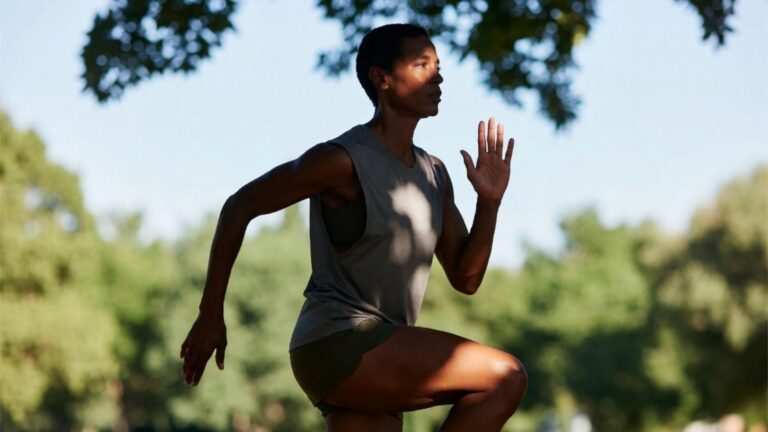
The Mechanics of Breathing During Exercise
Try this. Take a brisk walk. Climb a few flights of stairs. Push through a tough workout. One thing becomes obvious really fast: your breathing changes.It gets deeper. Faster. More rhythmic. That’s not random. It’s your body’s finely tuned system working hard to keep up with increased demand for oxygen and energy.

NEAT:The Power of Non-Exercise Activity Thermogenesis
When most people think about burning energy, they picture running, lifting weights, or some kind of intense workout. Sweating. Heavy breathing. The whole thing.But here’s the thing. A huge chunk of the energy you burn every day doesn’t come from formal exercise at all. It comes from tiny, everyday movements you probably don’t even think about. Standing up. Walking to the kitchen. Fidgeting in your chair. Maintaining your posture while waiting for the bus.