
Healthy Aging & Longevity

What Happens as Bladder Cancer Progresses: Insights for Patients and Caregivers
Understanding the pace of bladder cancer progression can provide helpful context for patients and caregivers navigating a diagnosis. While each individual’s experience is different, general medical knowledge offers a framework for how the condition may develop over time. Rather than following a fixed path, bladder cancer progression can vary based on multiple factors, including overall health and tumor characteristics.
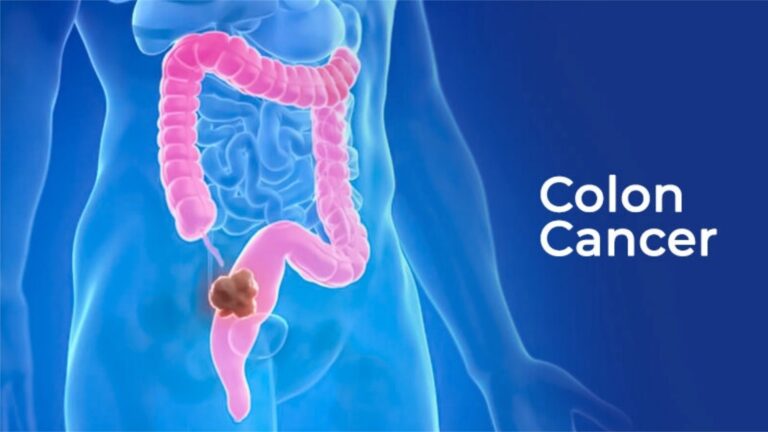
Colon Cancer in 2026: A Science-Based Overview of Modern Drugs, Research, and Treatment Approaches
Colon cancer remains one of the most widely studied cancers worldwide, and research in this field has advanced rapidly over the past decade. By 2026, scientists have developed a deeper understanding of how colon cancer grows at the molecular level, leading to more refined drug development and treatment strategies. This article provides a clear, science-focused overview of current medications, emerging therapies, and research trends, using data from major institutions such as the National Cancer Institute and the American Cancer Society.

How to Reduce Protein in Urine: 4 Effective Tips
High levels of protein in urine, medically known as proteinuria, can signal potential stress on the kidneys or other underlying health concerns. While occasional protein in urine may occur temporarily due to factors like exercise or dehydration, consistently elevated levels warrant attention. Understanding practical ways to manage and reduce protein in urine can help protect kidney function and support overall health. Fortunately, dietary habits, natural remedies, and lifestyle adjustments can all play a role.
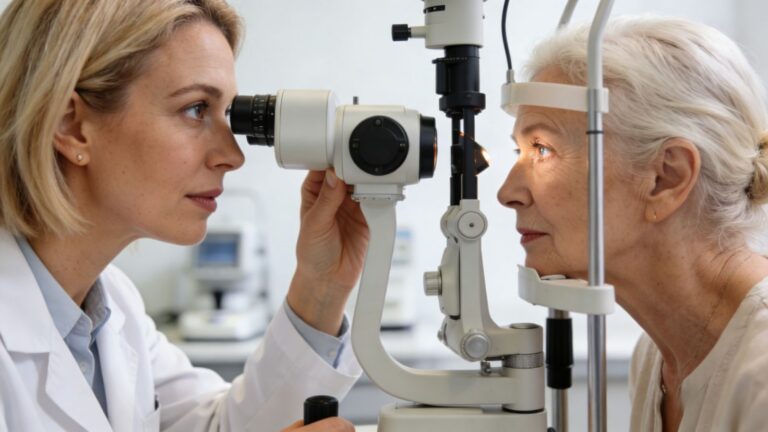
Vision Health: Understanding Age-Related Eye Changes
Vision is our primary window to the world, shaping how we read, navigate, connect with others, and experience daily life. This complex process involves a seamless partnership between the eyes and the brain. As a natural part of aging, it’s common for vision to evolve. These shifts are typically gradual, influenced by changes in the eye’s structure and the brain’s processing of visual information.
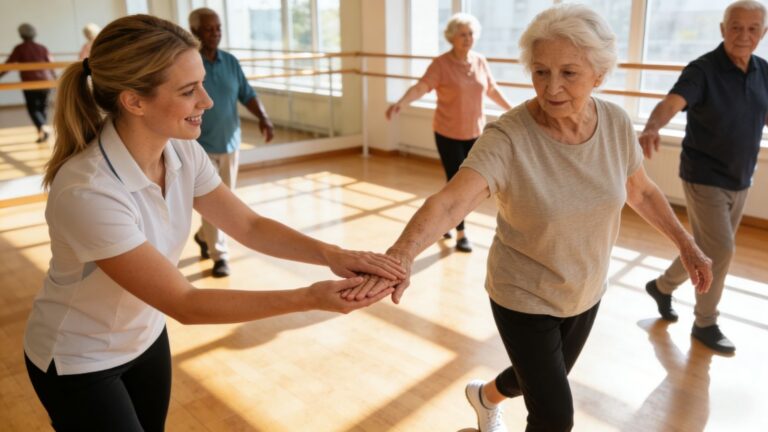
Everyday Balance: The Mechanics of Fall Prevention
Balance is a fundamental, yet often overlooked, aspect of human movement. It operates quietly in the background, allowing us to stand upright, navigate a crowded room, and pick up a dropped object without a second thought. This seamless stability is not a single skill but the elegant product of several bodily systems working in concert. By understanding the basic mechanics of how we stay upright, we can better appreciate the complexity of this daily marvel and the factors that support it over time.

The Importance of Social Connection for Older Adults
Social connection is woven into the fabric of what makes us human. From our earliest years to our latest, the relationships we cultivate fundamentally shape our perceptions, emotions, and our place in the world. For older adults, nurturing these bonds often takes on a renewed significance, serving as a vital anchor for emotional well-being and a cherished sense of belonging.

Sleep Architecture Changes in Later Life
Sleep follows a clear, repeating structure through the night. Scientists call this pattern sleep architecture — the way different stages cycle in an orderly rhythm. With age, these patterns often shift in noticeable ways. Learning about these natural changes can help people understand their own sleep better and see how everyday routines play a part.

Understanding Cognitive Reserve: Keep Your Brain Active
The human brain has an impressive ability to adapt throughout life. It constantly forms new connections, adjusts existing ones, and responds to the things we do and experience every day. One useful idea that helps explain this adaptability is called cognitive reserve. In neuroscience, this term describes the brain’s capacity to keep functioning well even when facing changes, by using flexible strategies and tapping into different networks.

The Role of Hydration in Senior Wellness
Water is one of the most fundamental elements in the human body. It quietly supports almost every biological process that keeps us functioning each day. From the tiniest reactions happening inside cells to the way the body maintains its internal temperature and moves nutrients around, hydration forms the foundation for daily wellness. As people move through the later decades of life, natural changes in the body can make it a bit more challenging to stay properly hydrated. This makes understanding and maintaining regular fluid intake especially relevant for supporting overall balance and comfort.

Maintaining Joint Flexibility as We Age: A Beginner’s Guide
As the years go by, many people notice that bending down to tie shoes, reaching for a high shelf, or turning the head feels a bit different than it used to. These gradual shifts in how easily we move are a normal part of aging. The good news is that research into human movement shows our bodies respond well to regular, gentle activity—especially when it comes to keeping joints working smoothly.

The Science of Healthy Aging: How Daily Habits Impact Longevity
Aging is a natural process that unfolds gradually in every human body. While time itself cannot be stopped, research in biology has shown that the way our bodies experience this process can be shaped, in part, by the patterns we repeat day after day. Among these patterns, sleep and physical activity stand out as two of the most studied influences on how our cells and systems function over time.