
Nutritional Science & Diet

The Science of Satiety: Why Some Foods Keep You Full
Walk into any kitchen around lunchtime and you’ll notice something curious. A plate of grilled chicken, broccoli, and sweet potato can leave you content for the rest of the afternoon. A bag of chips and a soda, on the other hand, often has you raiding the pantry again an hour later. The difference isn’t willpower or portion size. It’s biology—specifically, the way your body signals hunger and fullness through a network of hormones, nerves, and gut sensors. Satiety, the feeling of being satisfied after eating, isn’t just a vague sense of “I’m done.” It’s a precisely orchestrated physiological process that evolved to keep us alive when food was scarce. Understanding how it works reveals why certain foods trigger lasting fullness while others barely register.

How to Read and Understand Nutrition Labels
You’ve probably grabbed a box of cereal, a jar of pasta sauce, or a bag of frozen vegetables and flipped it over to check the back. There, in that familiar black-and-white box, sits the Nutrition Facts label. Required by the U.S. Food and Drug Administration (FDA) on most packaged foods and beverages, this panel gives a standardized snapshot of what’s inside one serving of the product. The format was updated in recent years with larger type for key details, new emphasis on certain nutrients, and clearer serving information. Learning to read it takes just a few minutes of practice, and once you do, you can quickly see exactly how the numbers line up with a full day’s intake. This guide breaks down every section of the label with clear, step-by-step instructions so you can interpret the facts panel accurately every time.

Understanding the Glycemic Index (GI)
When we eat, the body begins a complex and highly coordinated process of breaking food down into usable components. Among the most important of these components is glucose, a simple sugar that serves as a primary source of energy for cells. However, not all foods release glucose into the bloodstream at the same rate. This variation in digestion speed is the foundation of what is known as the Glycemic Index, often abbreviated as GI.

Hydration Through Food: Water-Rich Fruits and Vegetables
Ever bitten into a juicy slice of watermelon on a hot afternoon and felt instantly refreshed? That burst of cool sweetness isn’t just flavor—it’s your body getting a sneaky hydration boost straight from the garden. While we all know to sip water throughout the day, many of us overlook a delicious secret: some of the most hydrating “drinks” come from the produce aisle. Fruits and vegetables with sky-high water content can make up a surprising chunk of your daily fluid needs in the most flavorful way possible.
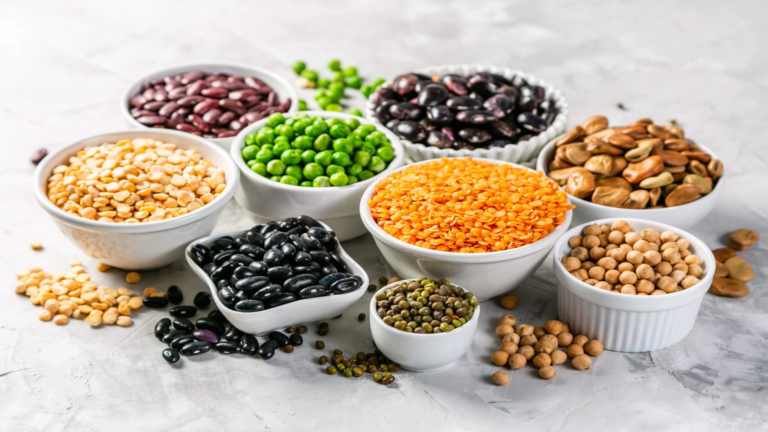
Plant-Based Proteins: A Complete Amino Acid Guide
Plant-based eating has gained widespread attention in recent years, but understanding how plant proteins function at a biological level is still essential for making informed dietary choices. Proteins are fundamental to human physiology, and the body depends on a steady supply of amino acids—the building blocks of protein—to maintain structure and function. This guide explains how plant-based proteins contribute to overall nutrition, how essential amino acids work, and how combining foods supports the body’s needs in a natural and balanced way.

How Antioxidants Work at the Cellular Level
Every second, your body is carrying out countless chemical reactions that keep you alive. These reactions allow cells to produce energy, build structures, and communicate with one another. However, some of these processes also generate unstable molecules known as free radicals. Understanding how free radicals form—and how antioxidants interact with them—offers insight into a fundamental aspect of cellular biology.This article explores the science behind antioxidants and free radicals using clear, accessible concepts, focusing on what happens at the cellular level.

The Biological Importance of Dietary Fiber
Dietary fiber often gets mentioned in passing when people talk about eating healthier, but its role in the body goes far deeper than most realize. Far from being just “roughage” that helps things move along, fiber is a complex group of plant compounds that quietly supports how our bodies handle everyday nutrition and internal balance. For Americans juggling busy schedules, drive-thru lunches, and weekend barbecues, grasping what fiber actually does can make choosing meals feel a little more intentional—without turning every grocery run into a science project.

Demystifying Macronutrients: Proteins, Fats, and Carbs
If you’ve ever looked at a nutrition label and felt a little overwhelmed by all the talk of proteins, fats, and carbs, you’re not alone. These three macronutrients are the big players in everything your body does—from giving you energy to repairing tissues and keeping your cells running smoothly. They’re called “macro” because your body needs them in larger amounts than vitamins or minerals. This guide breaks down the science in plain English: how each one is digested, absorbed, and put to work inside you. No diets, no quick fixes—just the fascinating biology of how your body turns food into fuel and function.